Decision & Risk Advisory · Energy & Infrastructure

Decisions First.
Capital Later.

CSD Strategy helps investors and developers navigate complex, high-risk energy and infrastructure decisions — bringing structure and a defensible rationale to the go/no-go, whether you're choosing where to build, running due diligence, or changing course mid-project.

Does this project make sense — and what would change the answer? That's what we resolve.

The thesis · cost of change

A project's risk is a moving target. We read it at any point on the curve.

Your freedom to change the outcome is highest at the start and narrows with every commitment; the cost of changing course climbs the opposite way. That's the case for acting sooner — but a structured risk read pays off whether you're choosing where to build, running due diligence, or rethinking a project mid-build.

The cost-of-change curve Two curves across project stages from origination to operation. Ability to influence the outcome starts high and falls; cost of change starts low and rises steeply. Three marked points show where CSD engages: siting, due diligence, and mid-project strategy change. HIGH LOW 1 2 3 ABILITY TO INFLUENCE COST OF CHANGE we read the risk at any of these — Origination Pre-CAPEX Permitting Financing Construction Operation PROJECT STAGE → CAPITAL COMMITTED
What we do

Four lenses on one question.

Every screen runs the project through the four risks that most often kill it — treating environmental, regulatory and territorial exposure as economic risk, not paperwork.

01

Permitting & Licensing Strategy

The real path and timeline through environmental and regulatory review — where the process bends a schedule, and where it can stop a project outright.

02

Territorial & Land Access Risk

Site control, right-of-way, easements and the on-the-ground conflicts that surface late and rarely appear in a pro forma.

03

Market & Offtake Logic

Where the project sits in its grid and market — interconnection reality, congestion and the offtake that has to hold for the economics to work.

04

Pre-CAPEX Technical Viability

A grounded read on whether the technical premise holds before engineering dollars commit — the assumptions that quietly decide feasibility.

What we screen

The assets behind the decisions.

Generation, grid, and the large loads reshaping both — across the US energy landscape.

Wind turbines at dusk
Wind — onshore & offshore
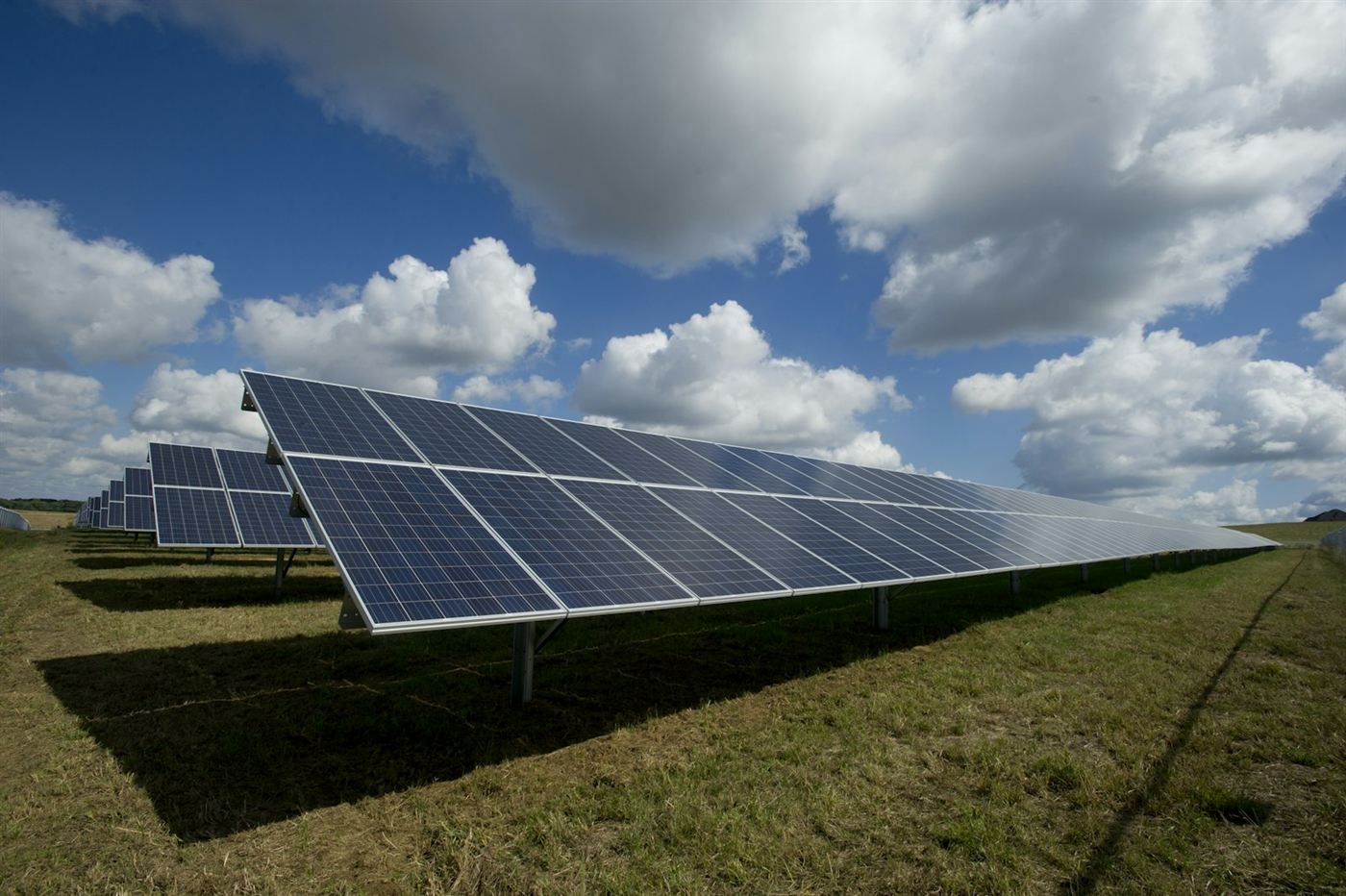
Utility-scale solar array
Solar & BESS
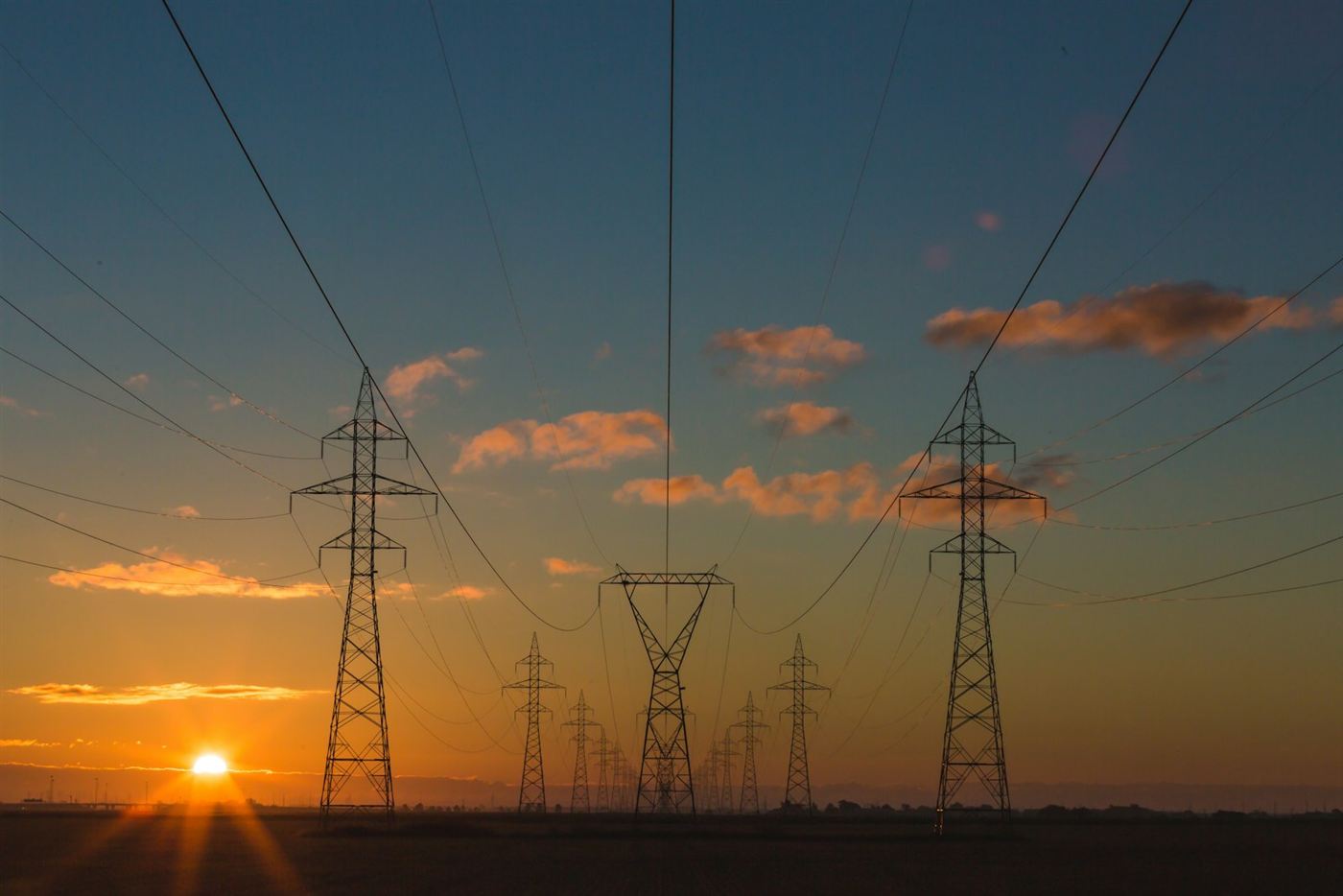
High-voltage transmission towers at dusk
Transmission & grid
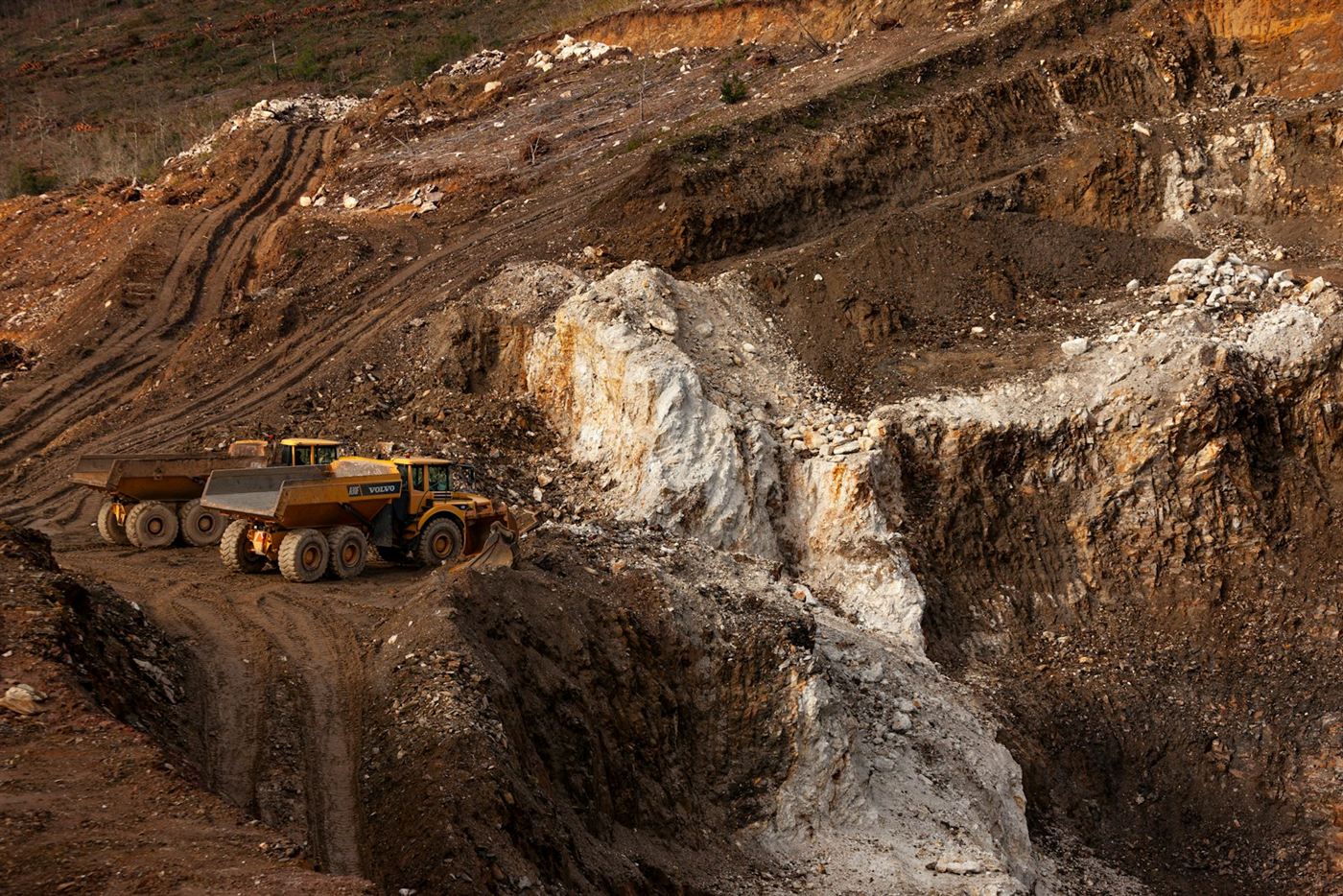
Open-pit mining operation
Mining & industrial
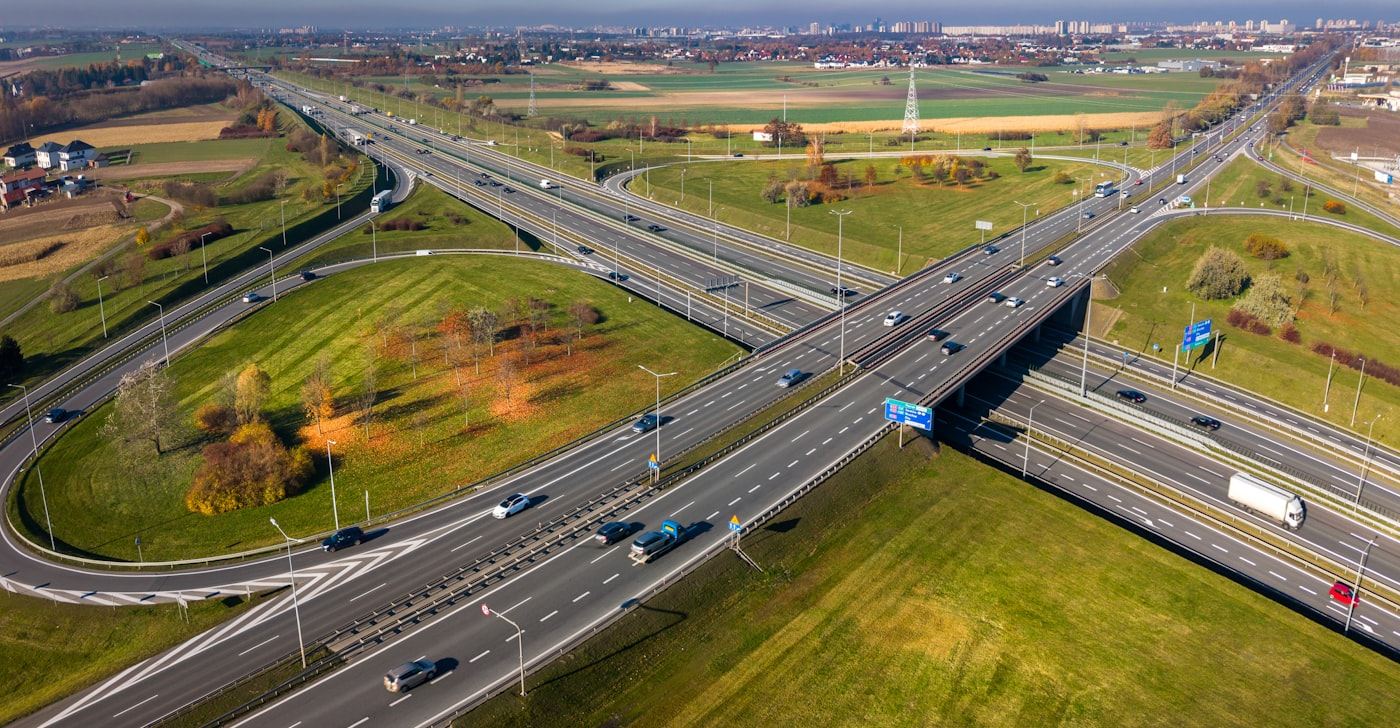
Aerial view of a highway interchange
Infrastructure & Urban
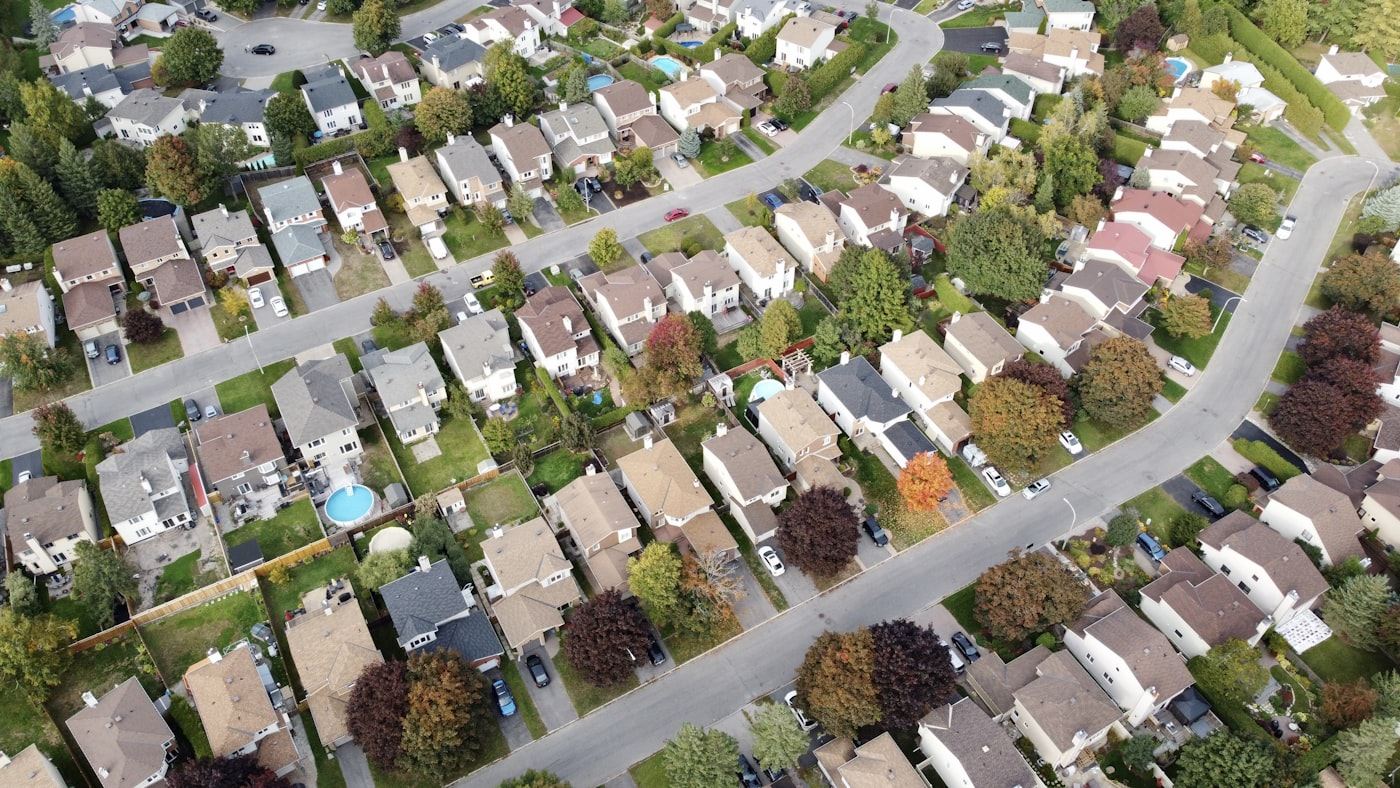
Aerial view of a residential development
Land & residential
The engagement

One structured read. Any point in the project's life.

An independent, desk-based risk analysis of a project — the four lenses applied, then resolved into one deliverable you can act on. Scoped to the decision in front of you, not to a fixed stage.

Deliverable · Decision Memo
Go No-Go Go with conditions
  • A clear verdict — the recommendation, stated plainly and defensibly.
  • Risk matrix — exposure across the four lenses, scored and ranked.
  • Deal-killers — the fundamental flaws that should stop the project, surfaced before they're expensive.
01 · Before you start

Siting & Go-Decision

Where to build — and whether to begin. Locational risk, the permitting path, and the deal-killers to surface before land and capital are tied up.

02 · Before you commit

Due Diligence

Pre-acquisition or pre-investment. An independent read on a project's real risk before you underwrite it or take it to committee.

03 · Mid-project

Strategy Change

When conditions shift — a regulatory change, a stalled interconnection, a new offtake — and the plan has to be re-decided with clear eyes.

Who it's for

Built for the person who owns the go/no-go.

You run development. The worst outcome isn't a project you passed on — it's the one you advanced for months before a fundamental flaw finally surfaced.

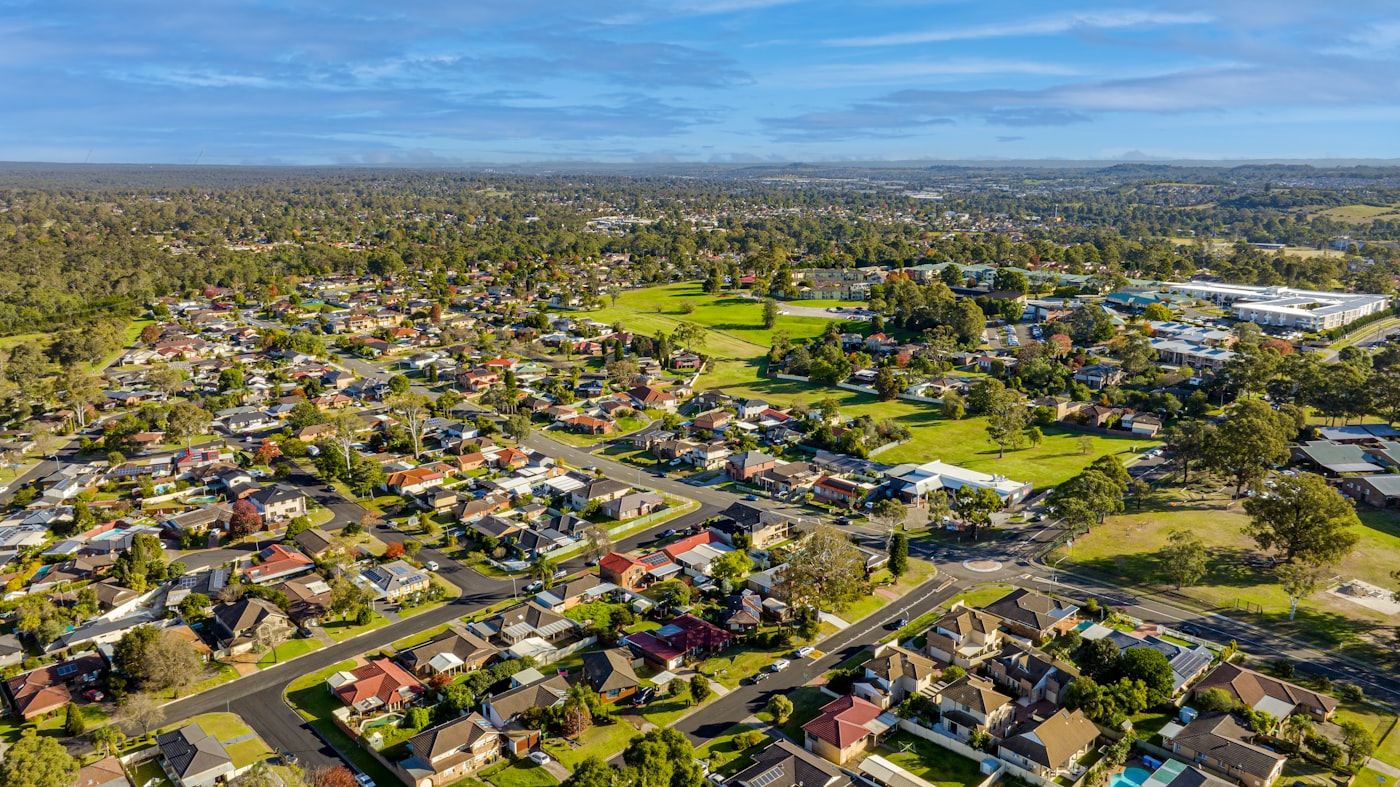
Aerial view of an American suburban housing development

By then the sunk cost argues for itself: land tied up, diligence spent, a pipeline slot committed, a number already shown upward. The flaw was there at origination — nobody had the mandate or the outside lens to name it while it was still cheap to walk away.

A Decision Screen is that lens. An independent, structured read — at any point in the project's life — so the projects that shouldn't move don't, and the ones that should move carry a rationale that holds up to your investment committee.

Best fitUS energy & infrastructure developers and executors.
Best timingAny live decision — siting, due diligence, or a mid-project pivot.
Best useA contested project, a stretched pipeline, or a board that needs a defensible call.
Founder

Built by someone who has sat on both sides of the table.

17+ years in regulated infrastructure — from directing which projects a portfolio pursues, to knowing first-hand exactly where each one could die.

Mariangela Ciodaro
Founder & Principal Advisor

“I know where the numbers in a diligence report come from — and where they're soft.”

Mariangela has operated at the sharp end of capital-intensive, regulated industries — mining, power generation and transmission — rising to commercial and board-level leadership across one of the world's most demanding regulatory environments. She has set which projects a portfolio pursues, priced the work, and owned the result.

Because she has also run the studies and the fieldwork herself, she knows precisely where the numbers in a diligence report come from — and where they're soft. Her career has been spent at the choke points where projects actually die: environmental permitting, cave and heritage constraints, stakeholder conflict, agency timelines — including cave-relevance work that decides whether a mine pit can legally exist. She treats regulatory, environmental and territorial exposure as what it really is: economic risk.

Based in Texas — same time zone, same rooms as the US energy corridor — she brings that judgment to the high-stakes calls that can't afford surprises.

17+years in regulated infrastructure
9+ GWgeneration touched
1,500+ kmHV transmission delivered
~US$55MCAPEX saved on one program
30+simultaneous permits managed
Selected work

Where the method was proven.

Anonymized, but real — the kind of decision and risk calls the screen is built on.

Transmission

A go-live pulled forward by a year.

A regulated transmission concession where every month of slippage triggers penalties and delays revenue. The environmental and permitting workstream sat squarely on the critical path.

Led the licensing strategy, routing and agency sequencing that kept it moving.

~12 months ahead of schedule · ~US$55M under baseline (~20%) — within a 1,500+ km, 230/500 kV portfolio.
Mining

The study that decides if the pit can exist.

For utility-scale mining operators, a federally regulated cave-relevance analysis can classify a cavity as untouchable — sterilizing part of an ore body, or killing a pit design entirely.

Coordinated those analyses — the deal-killer assessment, run before capital is sunk into a mine plan.

The purest go/no-go gate there is — miss it late, and the sunk cost is a mine that can't be built.
Start the conversation

Have a project that needs a decision before it needs capital?

Send the project — type, market, stage, and what you need decided. We'll tell you what a screen would answer, before you commit to anything.